Modernism in transition: six pioneers of singapore art
转型中的现代主义:六位新加坡先驱艺术家
Exhibition Introduction
This exhibition brings together Aw Tee Hong, Chen Wen Hsi, Cheong Soo Pieng, Chua Ek Kay, Lim Tze Peng and Lim Yew Kuan—six artists who played pivotal roles in shaping modern art in Singapore. While working across different mediums and generations, they share a commitment to formal experimentation, cultural synthesis, and a deep engagement with their lived environments. Their works reflect a collective search for new visual languages rooted in both Eastern traditions and modernist thinking.
A key reason for presenting these artists together lies in their shared belief in art as a process of transformation. Whether through Cheong Soo Pieng’s early 1950s still life of face masks and sculptural busts, or Chen Wen Hsi’s reinterpretation of realistic painting through bold abstraction, each painter challenged conventions of representation. Ink, oil, and mixed media became tools for rethinking identity, place, and history within a rapidly changing post-war Southeast Asia.
This exhibition is also distinguished by its focus on historically significant works created many decades ago. Several paintings, including Cheong Soo Pieng’s early still life, were documented in exhibition catalogues from the 1980s and 2000s, affirming their art-historical importance. By revisiting these early works today, the exhibition highlights their enduring relevance that continue to shape narratives of Southeast Asian modernism.
展览简介
本次群展汇集了欧世鸿(Aw Tee Hong)、陈文希(Chen Wen Hsi)、钟泗宾(Cheong Soo Pieng)、蔡逸溪(Chua Ek Kay)、林子平(Lim Tze Peng)与林友权(Lim Yew Kuan)六位艺术家,他们在新加坡现代美术的发展中占据着举足轻重的地位。尽管创作媒介与艺术阶段各不相同,但他们共同体现了对形式探索、文化融合以及深刻回应生活中的观察与体验。这些作品展现了艺术家们在东方传统与现代主义之间,寻找全新视觉语言的努力。
将这五位艺术家置于同一展览中的重要原因,在于他们皆将艺术视为一种转化与重塑的过程。从钟四宾于1950年代初创作的面具与雕塑头像静物画,到陈文希对抽象诠释,艺术家们不断挑战既有的表现方式。水墨、油画及综合媒材成为他们探讨身份、地域与历史的重要媒介,映照出战后东南亚的时代变迁。
本展览的一大特色,是呈现多件创作于数十年前的重要作品。其中部分作品,如钟四宾早期的静物画,曾刊载于1980年代及2000年代的展览图录,奠定了其艺术史价值。透过重新审视这些早期创作,展览不仅强调其历史意义,也凸显其稀有性与收藏价值,进一步深化东南亚现代艺术的发展脉络。
Aw Tee Hong 欧世鸿(1931-2021)
Aw Tee Hong was born in 1931 in Hainan, China, and settled in Singapore in 1950, where he pursued formal art training at the Nanyang Academy of Fine Arts and later in China. He spent most of his professional life in Singapore and passed away in 2021, having contributed extensively to the country’s visual culture.
Aw worked fluently across oil painting, watercolour, ink, and sculpture. He is particularly remembered for paintings of the old Singapore River and historical scenes, as well as large-scale public artworks that reflect collective memory and nation-building. His artistic philosophy emphasised accessibility, craftsmanship, and the social role of art.
He exhibited widely both locally and internationally, and his public sculptures and paintings remain visible across Singapore. Aw Tee Hong’s influence lies in his commitment to documenting history through art and bringing visual culture into shared public spaces.
欧世鸿1931年出生于中国海南,1950年定居新加坡,并先后在南洋艺术学院及中国深造。他一生大部分时间在新加坡从事艺术创作,于2021年逝世。
欧世鸿擅长油画、水彩、水墨及雕塑,其创作尤以旧新加坡河景与历史题材著称,并创作多件公共艺术作品,呈现集体记忆与国家发展主题。他认为艺术应兼具技艺性、公众性与社会意义。
他在本地及海外广泛展出作品,其艺术成果至今仍活跃于新加坡公共空间之中。欧世鸿通过艺术记录历史、连接大众,对新加坡视觉文化的发展产生了深远影响。
CHEN WEN HSI 陈文希(1906-1991)
Chen Wen Hsi was born in 1906 in Guangdong, China, and received formal art training in Shanghai during a period of intense artistic exchange between East and West. He arrived in Singapore in the late 1940s and became deeply involved in art education, teaching at Chinese High School and later at the Nanyang Academy of Fine Arts. Chen spent the rest of his life in Singapore and passed away in 1991, leaving behind a profound artistic and pedagogical legacy.
Chen was widely known for integrating Chinese ink traditions with Western modernist principles, particularly abstraction and structural composition. His paintings of animals, still life, and nature demonstrate a belief that art should move beyond literal representation toward an exploration of form, rhythm, and internal vitality. Archival records and writings associated with his teaching reflect his conviction that tradition must be continuously reinterpreted rather than preserved unchanged.
He exhibited extensively in Singapore and overseas from the 1950s onward, and his works are now represented in major public collections, including those associated with the National Gallery Singapore. As a founding figure of modern art in Singapore, Chen Wen Hsi influenced generations of artists by demonstrating how cultural heritage and modern expression could coexist within a single artistic language.
陈文希1906年出生于中国广东,早年在上海接受系统的美术训练,当时正值中西艺术思想交流活跃的时期。20世纪40年代末,他来到新加坡,并积极投身美术教育,先后任教于华中学校与南洋艺术学院,此后长期定居新加坡,直至1991年逝世。
陈文希以融合中国水墨传统与西方现代主义形式而闻名,尤其重视抽象结构与画面节奏。他的动物、静物与自然题材作品,强调艺术应超越写实,追求内在生命力与形式精神。相关档案与教学记录显示,他始终坚持“传统需不断转化”的艺术理念。
自1950年代起,陈文希在本地及海外举办多次重要展览,其作品被纳入新加坡重要公共收藏体系。他作为新加坡现代美术的奠基人物之一,对后辈艺术家如何在文化根源与现代语言之间取得平衡,产生了深远影响。
Cheong Soo Pieng 钟泗宾
Cheong Soo Pieng was born in 1917 in Xiamen, China, and trained in both Chinese and Western painting traditions before relocating to Singapore in the mid-1940s. Upon his arrival, he joined the faculty of the Nanyang Academy of Fine Arts, where he taught for nearly two decades and played a central role in shaping its artistic direction. He passed away in 1983, shortly before a major retrospective of his work.
Cheong is best known as a leading pioneer of the Nanyang style, synthesising Chinese brushwork, Western modernist composition, and Southeast Asian subject matter. His distinctive elongated figures, early still lifes, and figurative compositions reveal an artist deeply concerned with structure, cultural hybridity, and visual innovation. His early 1950s still-life paintings—such as those depicting masks and sculptural forms—demonstrate a modernist sensibility that was well ahead of its time.
Cheong’s works are represented in the National Gallery Singapore collection, and his paintings were exhibited widely across Asia and Europe during his lifetime. Through both his teaching and practice, he exerted a lasting influence on the development of modern art in Singapore, encouraging artists to look beyond stylistic boundaries and to engage seriously with their regional context.
钟泗宾1917年出生于中国厦门,早年接受中西绘画体系并行的专业训练。20世纪40年代中期移居新加坡后,他加入南洋艺术学院任教近二十年,并在学院的发展与艺术方向上发挥了关键作用。他于1983年逝世,当时正筹备个人重要回顾展。
钟泗宾被视为“南洋风格”的重要奠基者,其创作融合中国笔墨、西方现代构成,以及东南亚地域题材。他标志性的细长人物造型、人物与静物作品,展现了对结构、文化融合与视觉创新的高度关注。1950年代初创作的面具与雕塑静物画,体现了其前瞻性的现代主义探索。
钟泗宾的作品被纳入新加坡国家级公共收藏,并曾在亚洲与欧洲多地展出。他通过教学与创作,对新加坡现代艺术的形成产生了深远影响,启发艺术家突破传统风格的界限。
Chua Ek Kay 蔡逸溪
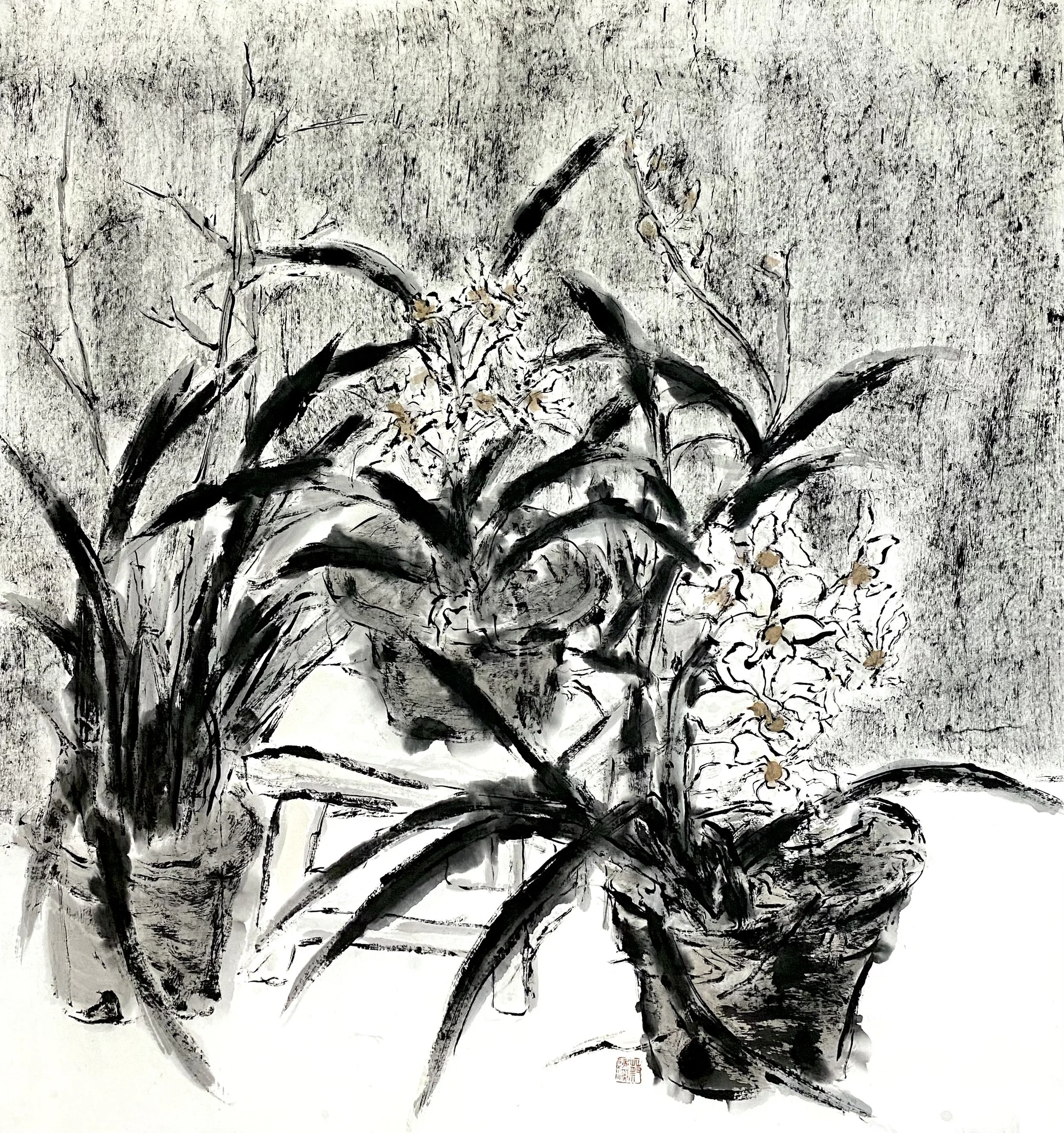
Blooming Orchard | 95x89cm | 2006
Chua Ek Kay was born in 1947 in China and moved to Singapore as a child, where he was immersed in classical Chinese education and calligraphy from an early age. He spent most of his life in Singapore and passed away in 2008 after a prolonged illness, leaving behind a highly respected body of work.
Chua is recognised for his sensitive integration of traditional Chinese ink painting with contemporary artistic ideas. His paintings—ranging from poetic street scenes to lotus and abstract compositions—reflect a belief that ink painting should remain a living, evolving form rather than a fixed tradition. His artistic thinking, as recorded in interviews and institutional archives, emphasised sincerity, discipline, and spiritual depth.
He held major solo exhibitions in Singapore and abroad, and his works are represented in national collections. Chua Ek Kay played an important role in advancing contemporary ink practice in Singapore, influencing younger artists to engage tradition with intellectual rigor and personal expression.

Sunny Day | 98x82cm | 1992
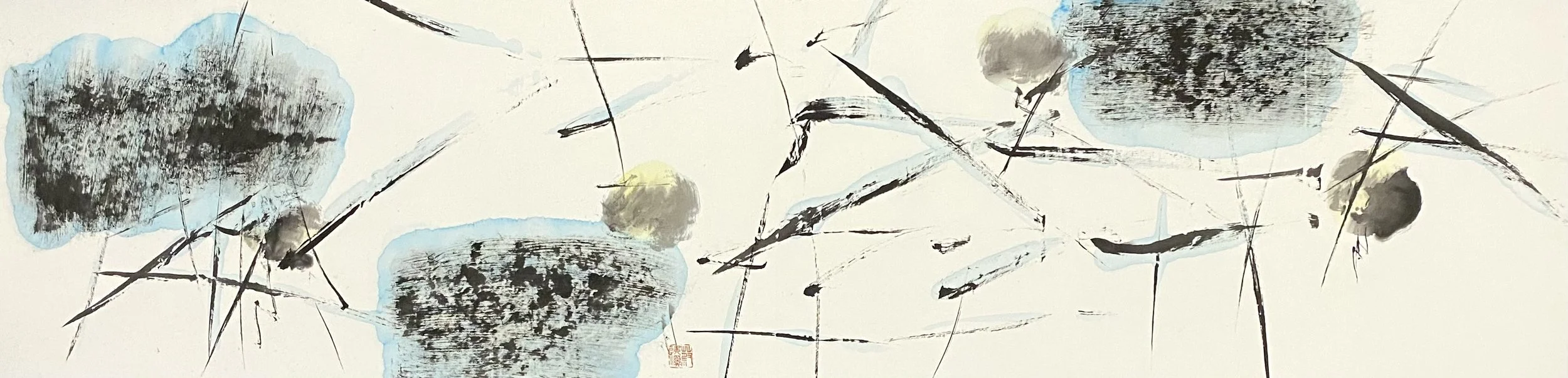
Tender Bloom | 34x137cm
The painting captures the calm and peaceful atmosphere of a lotus pond, with soft splashes of blue and grey that evoke a sense of stillness. It feels both serene and dynamic, as the shapes and colours float across the canvas like lotus leaves and flowers drifting on water. The abstract brushstrokes create a sense of movement, allowing the viewer to interpret the scene in a personal and open-ended way. The overall mood is one of quiet reflection, with the fluidity of the forms conveying the freedom and beauty of nature in a new, imaginative light.
蔡逸溪1947年出生于中国,幼年随家人移居新加坡,自小接受严格的书法与中国文化教育。他长期在新加坡生活与创作,并于2008年因病逝世。
蔡逸溪以融合传统水墨与当代艺术观念而著称,其作品涵盖街景、莲花及抽象构成。他认为水墨不应停留在形式传承,而应不断更新其精神内涵。相关访谈与档案显示,他高度重视艺术的真诚、修养与精神层次。
他在新加坡及海外举办过多场重要个展,作品被纳入国家级收藏。蔡逸溪对新加坡当代水墨艺术的发展具有关键影响,推动传统媒介走向当代表达。
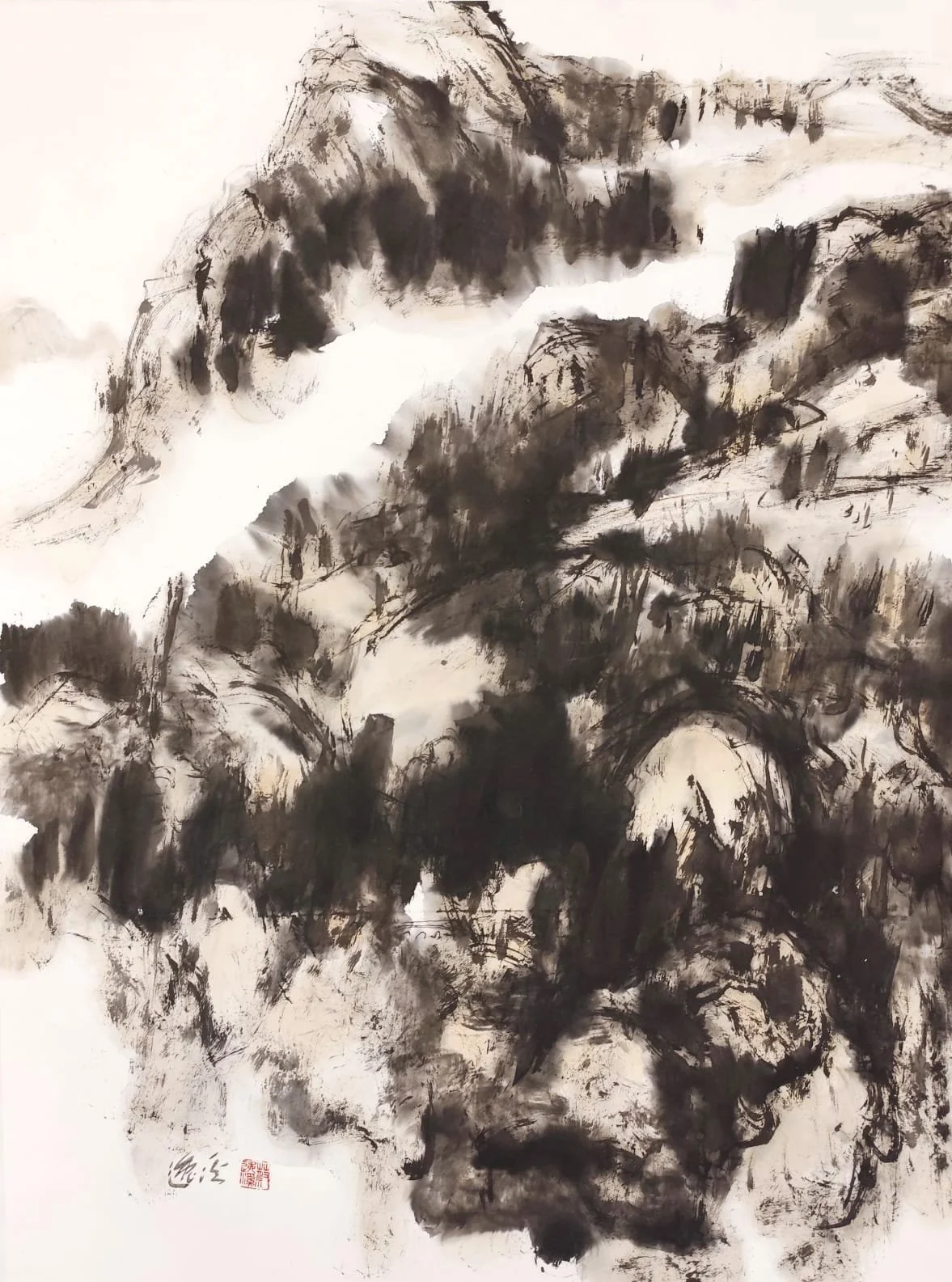
In the Mountains | 92x69cm
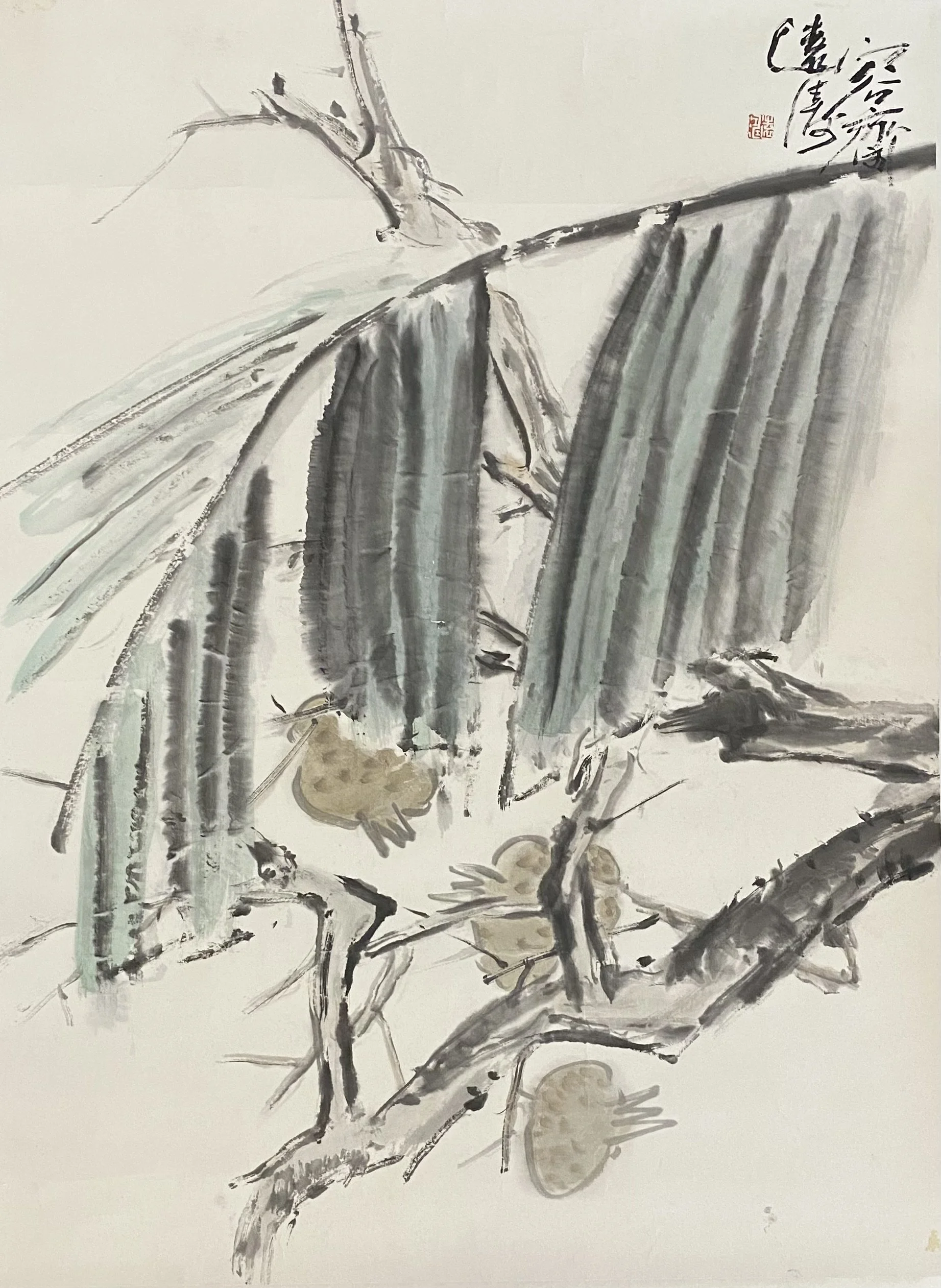
Abundance 果实累累 | 92x68cm
The painting showcases a serene composition with long, flowing banana leaves (芭蕉叶) hanging gracefully, complemented by the soft, rounded shapes of pomegranates (石榴) nestled among branches. The artist uses a muted colour palette, with pale greens and soft browns, creating a sense of tranquility. The brushwork is expressive yet subtle, capturing the natural beauty of the plants while maintaining an air of simplicity and elegance. The piece evokes a quiet, contemplative atmosphere, celebrating the harmony of nature.
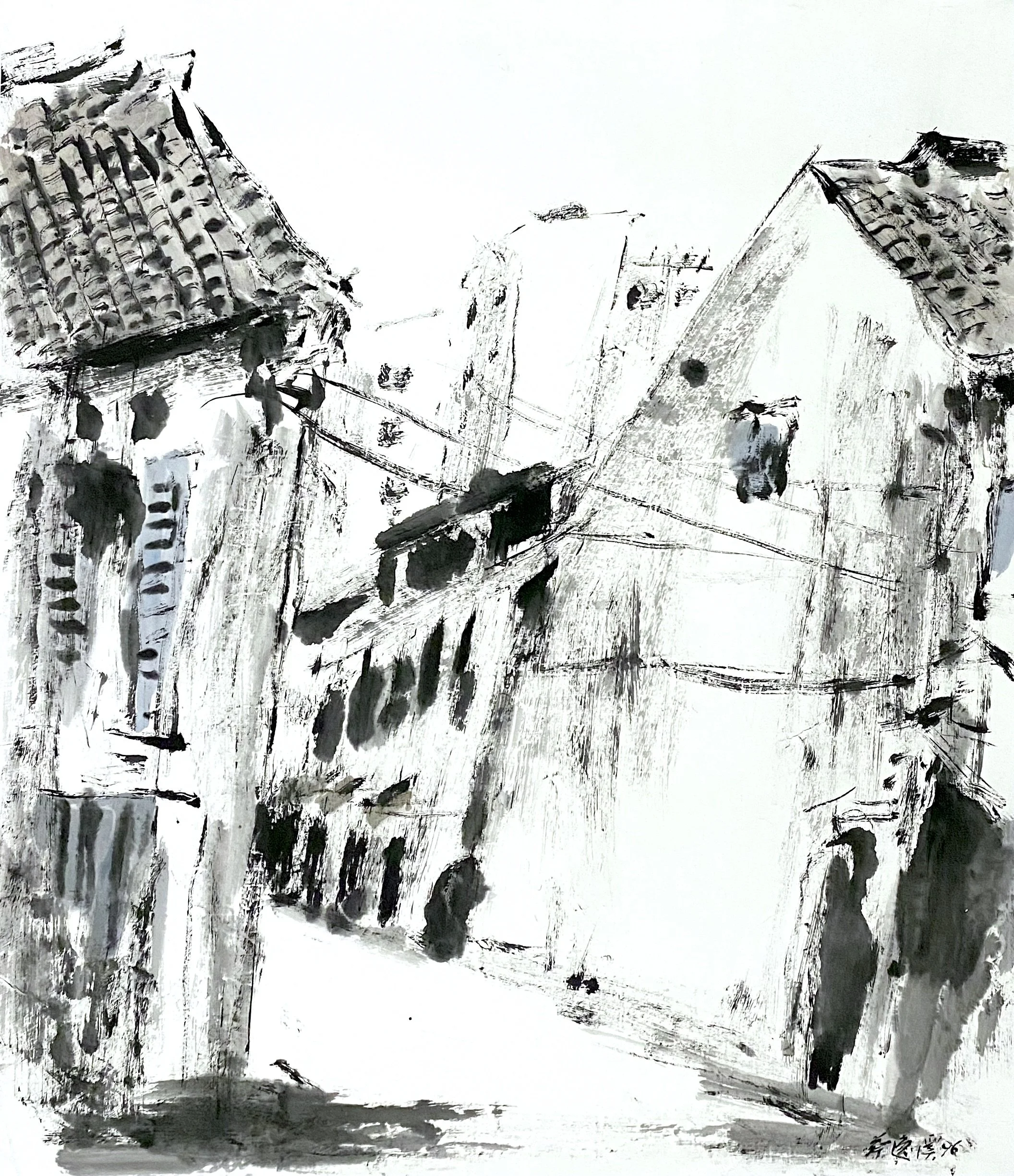
Street Scene Impression | 95x84cm | 1996
Lim Tze Peng 林子平
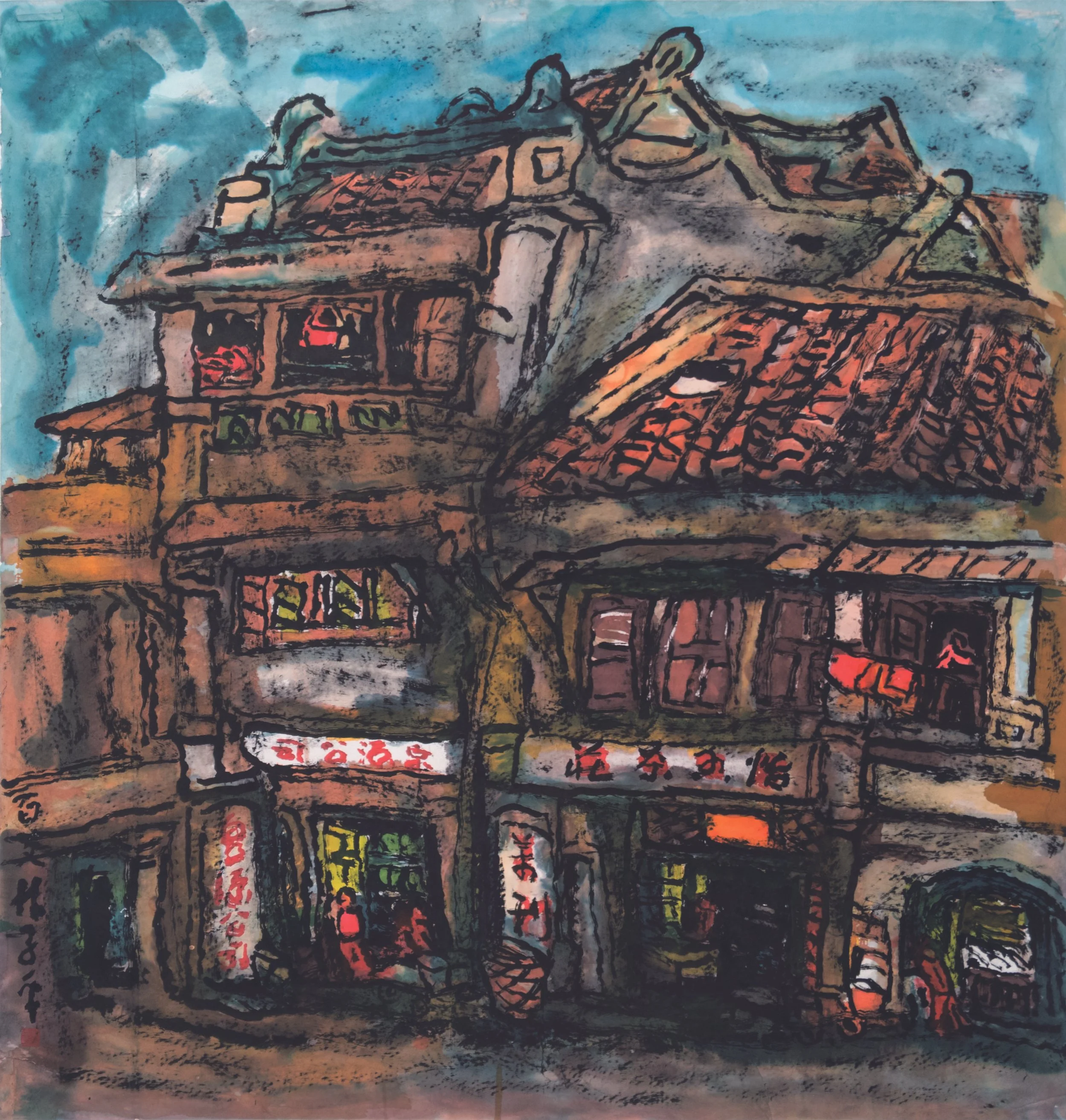
Charming History | 125x119cm | 2021
Lim Tze Peng was born in Singapore in 1921 and spent much of his early career as an educator before devoting himself fully to art after retirement. Although he did not migrate to Singapore, his artistic life unfolded alongside the nation’s social and urban transformation. He lived a remarkably long life and remained artistically active well into his later years.
Lim is celebrated for his Chinese ink paintings and calligraphic works that document disappearing urban and rural landscapes, including the Singapore River, Chinatown, and kampung scenes. His belief in art as a record of lived experience is evident in his expressive brushwork and innovative calligraphic styles, such as his loosely structured “hutuzi” script. His thinking reflects a strong conviction that art carries historical and cultural responsibility.
His works are held in major public collections and have been the subject of significant exhibitions at the National Gallery Singapore. Lim Tze Peng’s influence lies not only in his artistic output but also in shaping Singapore’s visual memory, offering future generations a deeply personal yet collective record of the nation’s past.
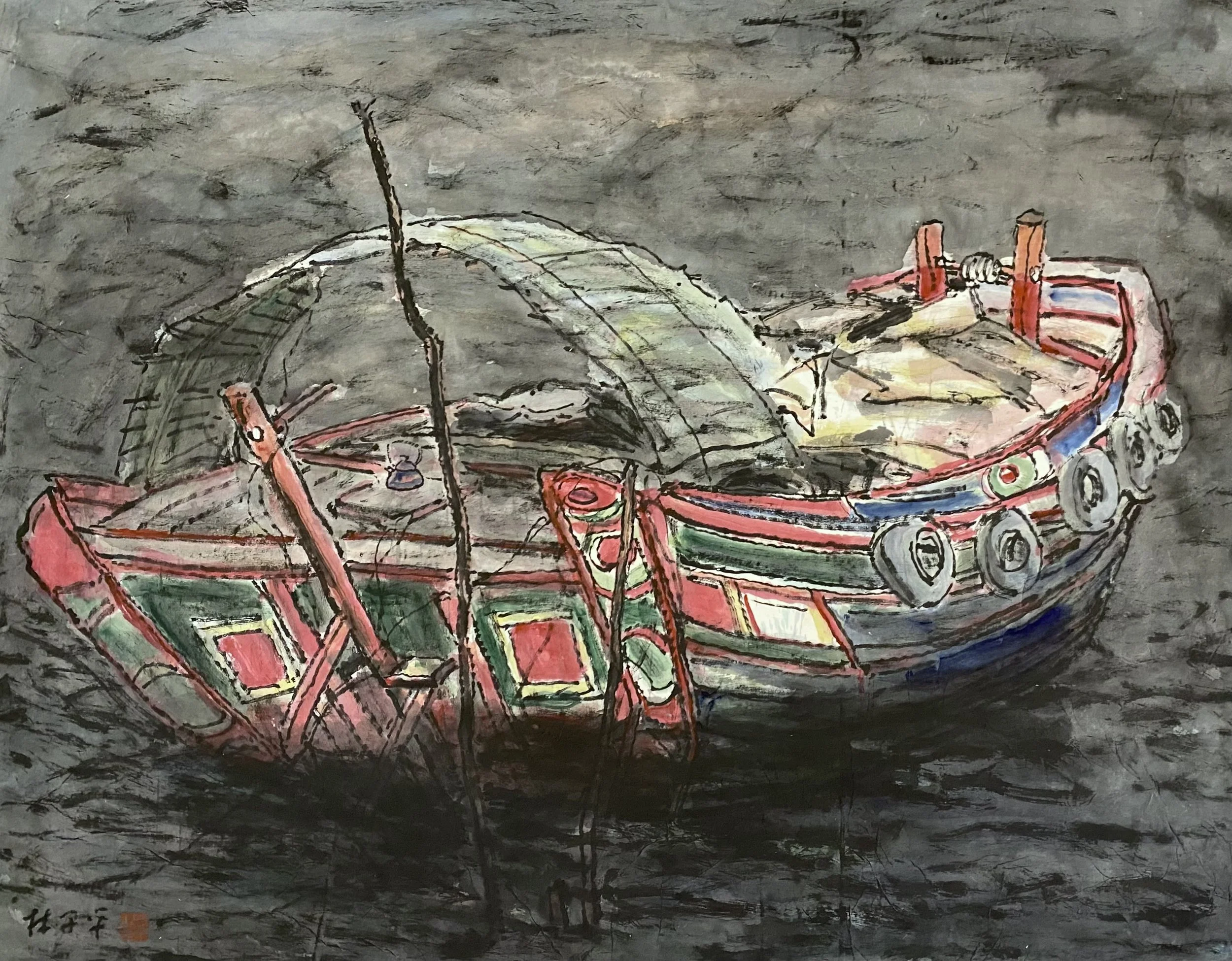
Journey | 143x180cm | 2014
The painting captures a vibrant bumboat floating peacefully on the Singapore River, its red and green colours standing out against the flowing water. The boat remains still amidst the river's movement, symbolising the quiet yet vital role these boats once played in Singapore's history. As essential vessels for transporting goods, bumboats were key to Singapore's rise as a bustling trading hub, connecting the city to the rest of the world and reflecting the dynamic spirit of its early economic growth.
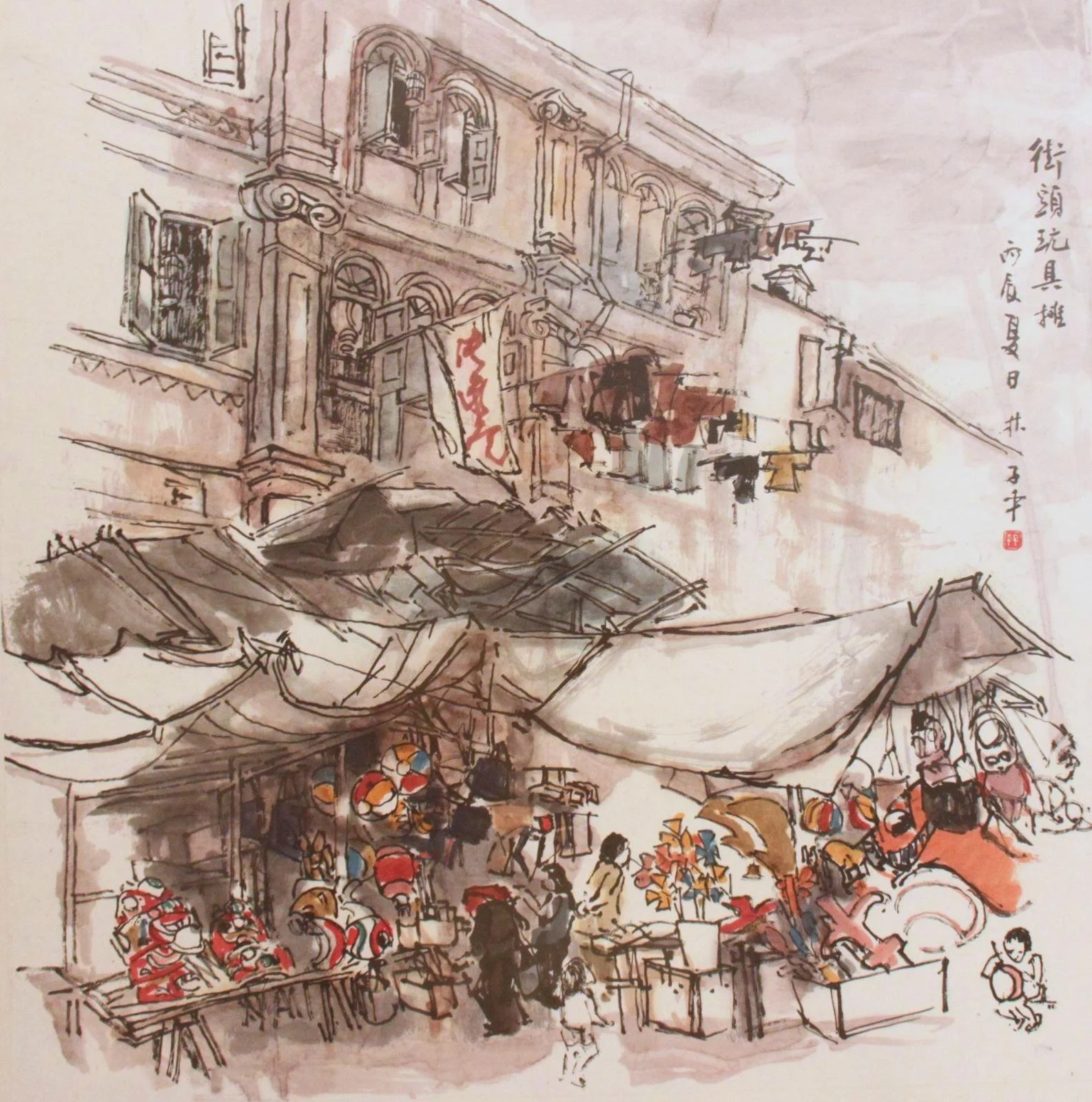
Toy Store Along the Street | 68x68cm | 1976
林子平1921年出生于新加坡,早年长期从事教育工作,退休后才全心投入艺术创作。他的艺术人生与新加坡的城市发展与社会变迁紧密相连,并在晚年依然保持高度的创作活力。
林子平以水墨画与书法创作闻名,作品多描绘逐渐消失的新加坡街景、河岸与乡村生活。他认为艺术是一种生活记录,其自由而富有表现力的笔触,以及“糊涂字”等书法风格,体现了对历史与文化责任的自觉意识。
其作品被重要公共机构收藏,并在新加坡国家美术馆举办多项重要展览。林子平通过艺术为新加坡留下珍贵的视觉档案,对本地艺术与文化记忆的建构具有不可替代的意义。
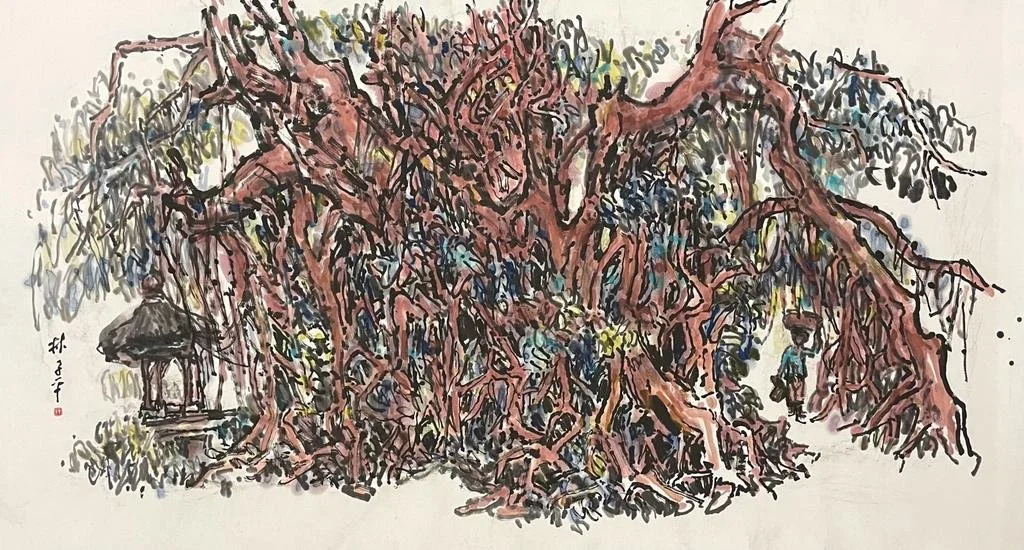
Majestic Old Tree | 83x152cm
Lim Yew Kuan 林友权
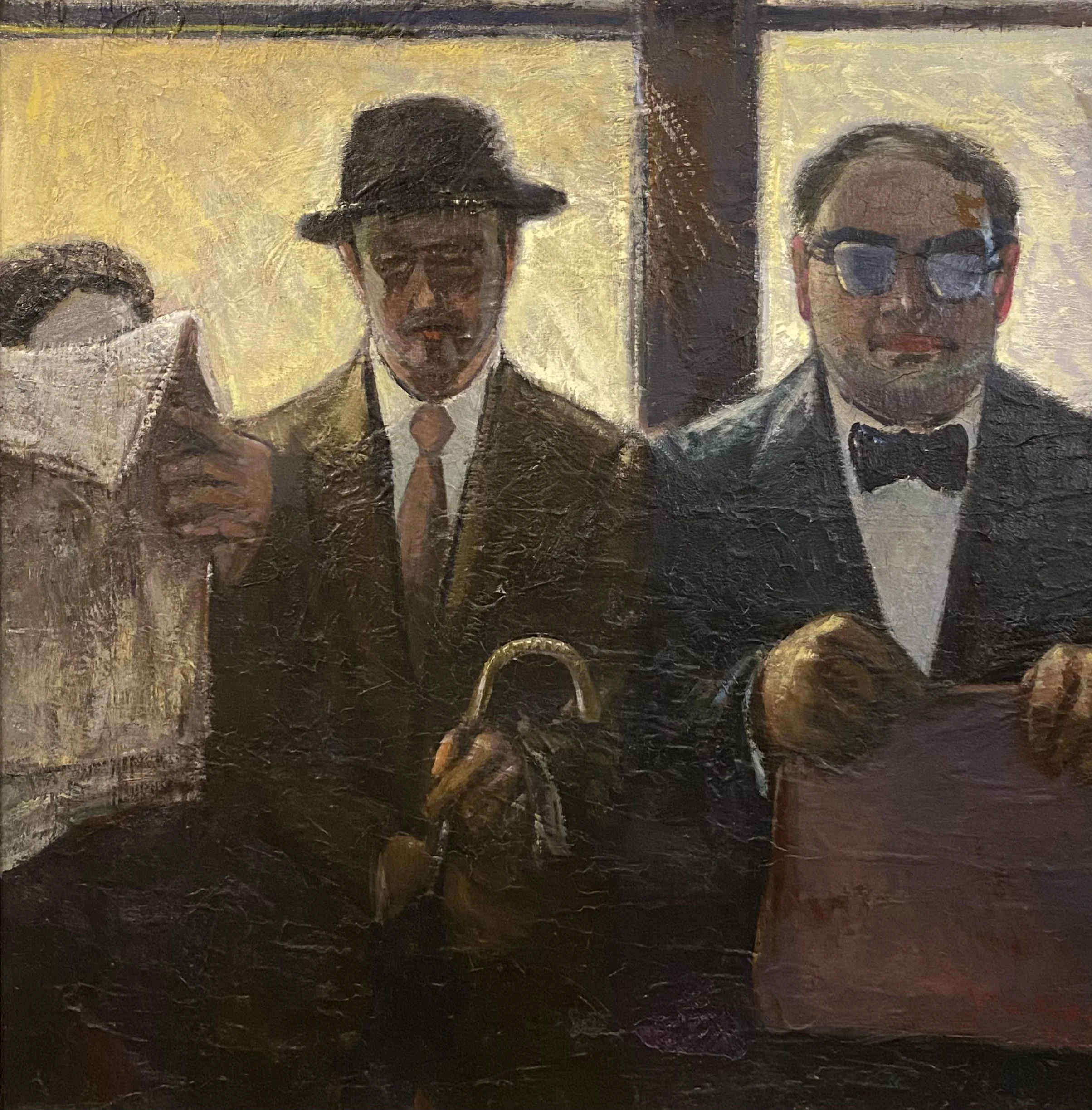
Train Passengers | 79x76cm | 1960
This striking piece by Lim Yew Kuan captures a moment of quiet introspection with masterful use of light and texture. The interplay of sunlight and shadows, as it hits the passengers' backs, adds depth and atmosphere to the scene. The varied expressions and poses of the figures bring life to the composition, showcasing the artist's ability to capture both individuality and a shared, timeless moment.
Lim Yew Kuan was born in 1928 in Xiamen, China, and came to Singapore during the Second World War to join his father, Lim Hak Tai, the founding principal of the Nanyang Academy of Fine Arts (NAFA). He trained at NAFA and graduated with a Diploma in Western Art in 1950, then taught art there for seven years before furthering his studies at the Chelsea School of Art in London between 1958 and 1962. Upon his return, he assumed leadership of NAFA following his father’s passing and served as principal from 1963 to 1979, guiding the institution through challenging times in the 1960s and 1970s.
Lim was a versatile artist known for painting, printmaking, and sculpture, distinguished for his textured brushstrokes, rich colour, and expressive touch that capture mood and emotion. His practice drew from social realism and Impressionist influences while also reflecting his classical training and exposure to Western techniques. In his own words, Lim believed that an artist must experience life and understand the nature of things to be a true artist — a view that shaped both his work and his teaching philosophy.
His works are in major public collections, including the National Gallery Singapore, with works such as Hyde Park (1961) representing his adept handling of oil painting and atmospheric scenes. Beyond painting, he was commissioned to create marble busts of Singapore’s first two presidents for the Istana. Lim held numerous exhibitions locally and overseas, and received significant recognition including the Public Service Medal and the Cultural Medallion for Visual Arts. His impact on Singapore’s art scene is profound — as both an educator and artist he nurtured generations and helped shape the visual arts community.
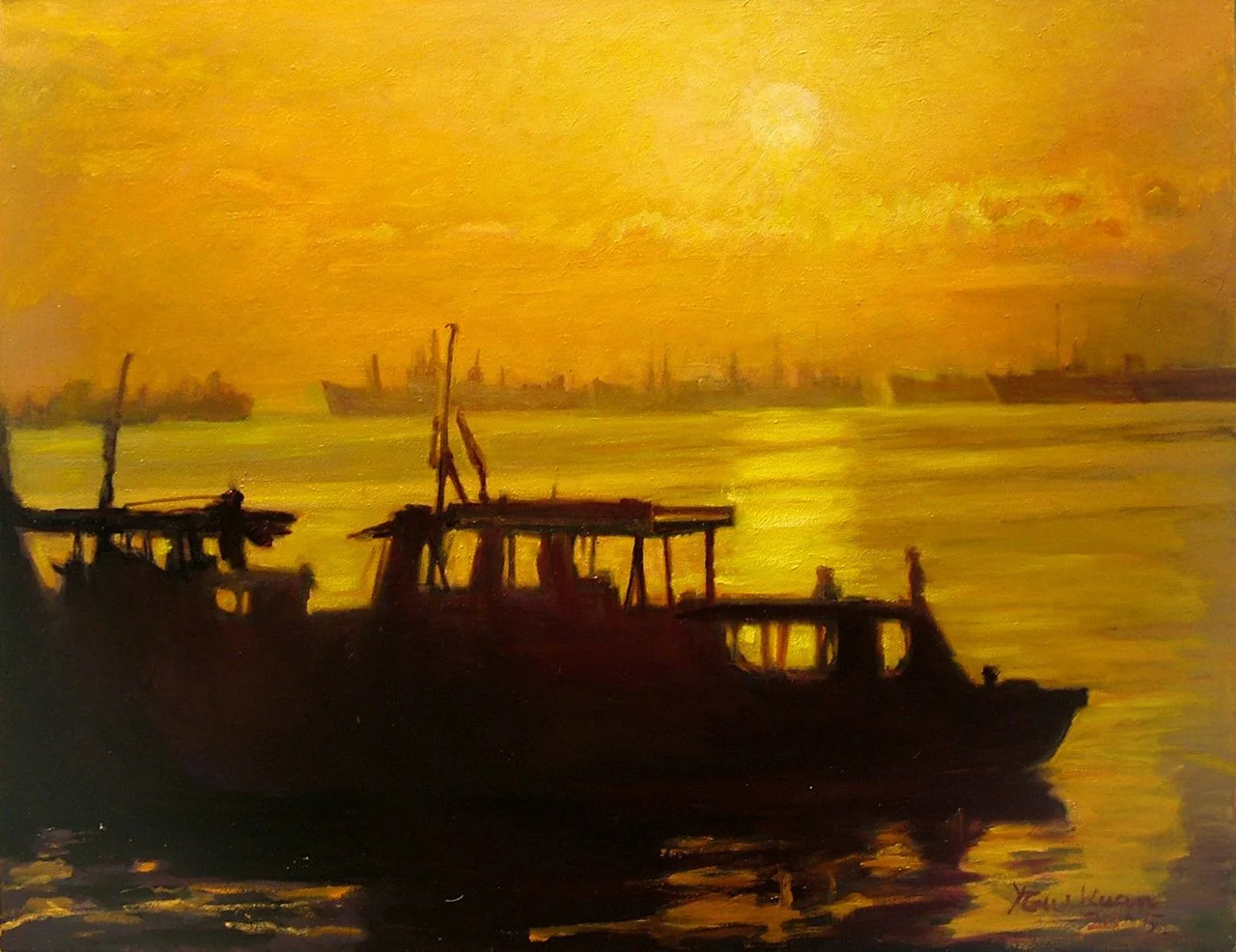
Sunrise | 70x90cm
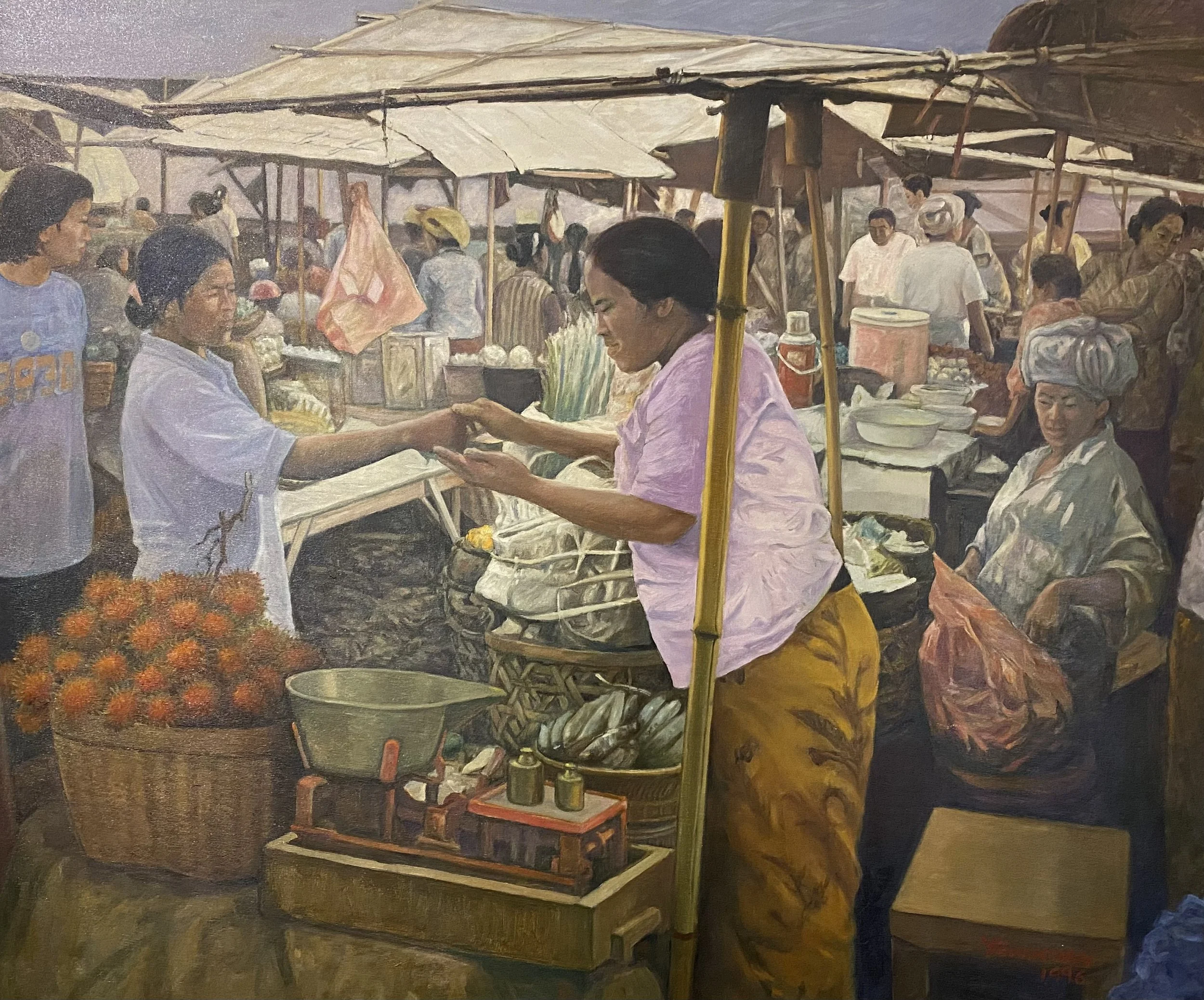
Market Place | 100x120cm | 1996
林友权于1928年出生于中国厦门,二战期间随父亲林克泰来新加坡,他的父亲是南洋艺术学院(NAFA)的创办校长。林友权在南洋艺术学院修读西画并于1950年毕业,随后在学院任教七年。1958年至1962年,他赴伦敦切尔西艺术学院深造。归国后,因父亲辞世,他于1963年接任南洋艺术学院校长一职,并带领学院度过1960至1970年代的艰难时期。
林友权是多才多艺的艺术家,擅长绘画、版画与雕塑,其作品以富有质感的笔触、饱满的色彩和情感表达著称。他的创作受社会写实主义与印象派影响,同时融汇东西方训练与观念。林友权曾强调,艺术家不应仅追求美感,而应先体验生活与理解事物本质,这一理念贯穿于他的作品和教学实践中。
林友权的作品被新加坡国家美术馆等重要机构收藏,如其作品《Hyde Park》(1961)展现了他在油画表现中的高超技巧。他也受委为新加坡官邸创作首两任总统的雕像。他曾在本地及海外举行多场展览,并荣获公共服务奖章与文化奖章等殊荣。作为艺术教育者与实践者,他培养了多代艺术人才,对新加坡美术界产生了深远影响
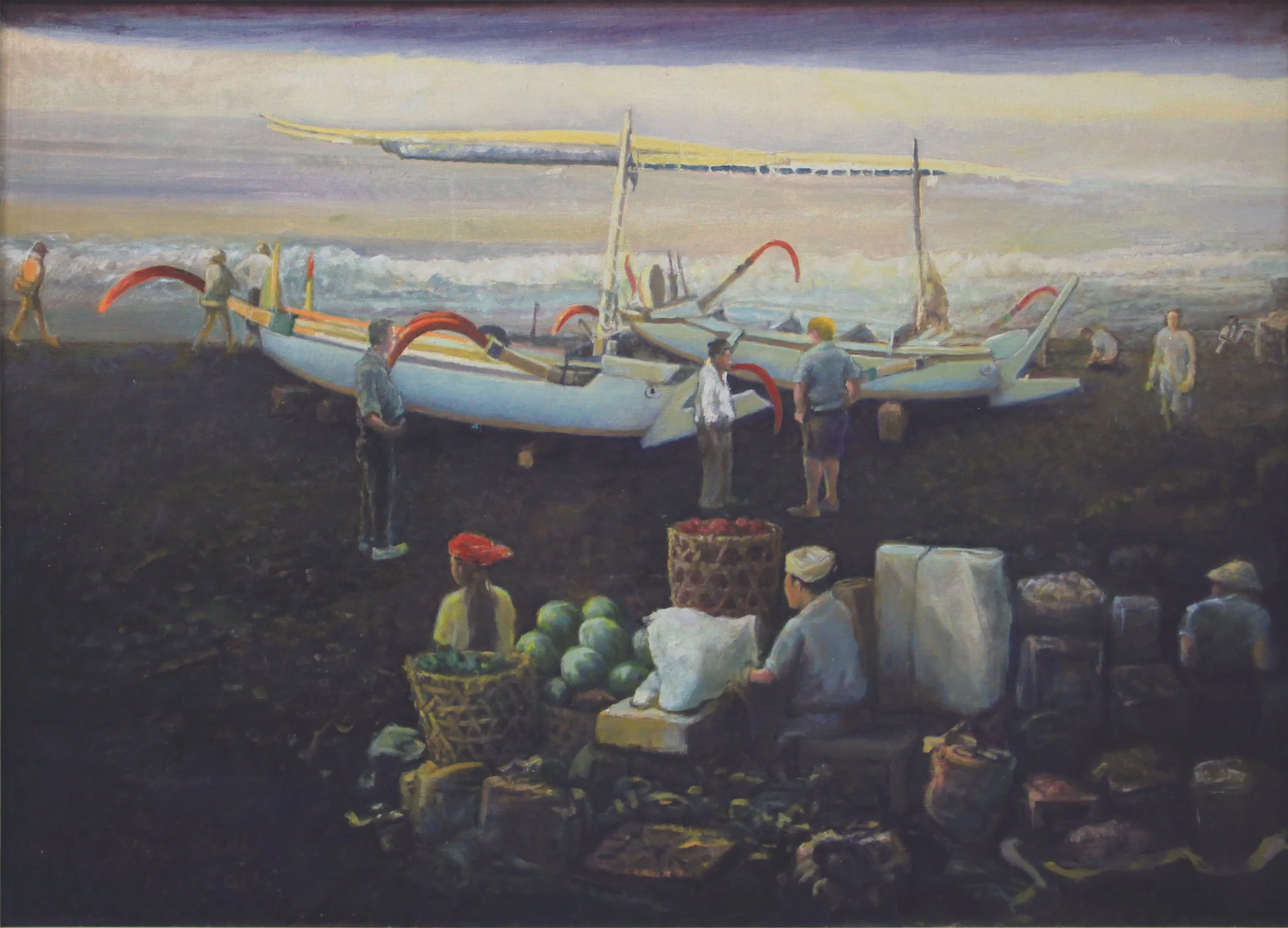
Bali Seaside | 71x96cm | 2011
This painting beautifully captures the vibrant energy of daily life along the beach, with fruit vendors sitting by the clear waters, their baskets filled with fresh harvest. White boats are docked along the shore, and people are seen going about their routines, creating a lively yet tranquil scene. Lim Yew Kuan’s expressive brushstrokes and rich colours convey the warmth and harmony of the coastal setting, offering a peaceful glimpse into the daily rhythms of life by the sea.
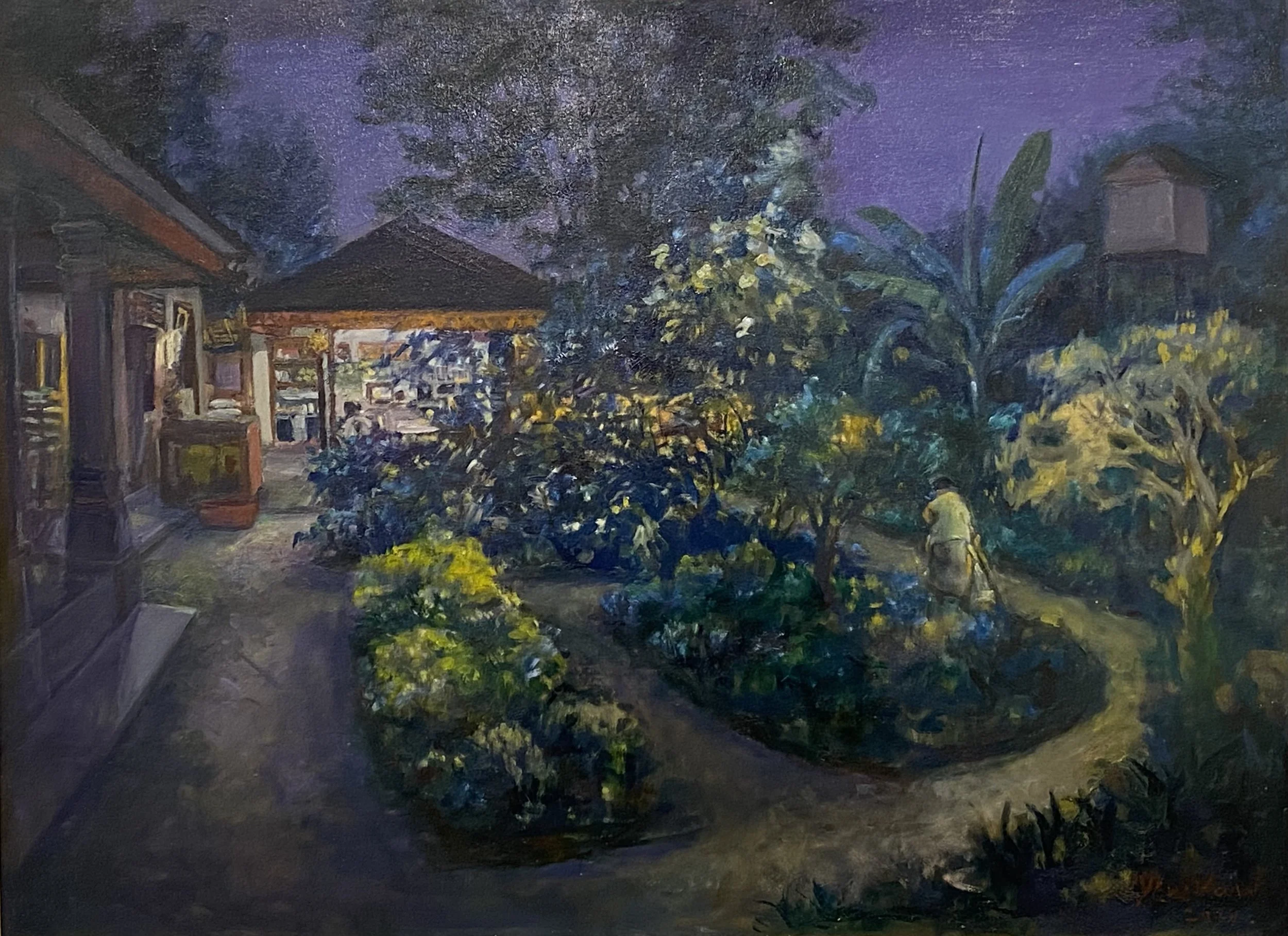
Bali Night | 70x90cm | 2009